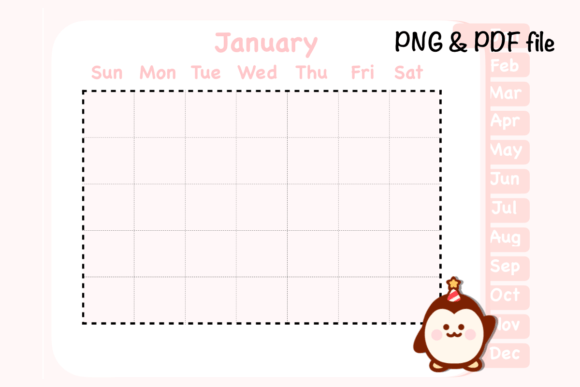
Hello Christmas Digital Monthly Planner Illustrations
As a digital product creator who has spent years navigating the shifting tides of online marketplaces, I have learned that seasonal assets are either gold mines or clutter, depending entirely on their versatility. When I first opened the files for the Hello Christmas Digital Monthly Planner, my immediate goal was not just to admire the aesthetics, but to stress-test its commercial viability. For Etsy sellers, print-on-demand entrepreneurs, and Cricut users, the question is never just "is it pretty?" It is "will this convert?" This review breaks down how these specific Illustrations perform in a real-world shop scenario, moving beyond hype to practical application.
First Impressions: Mood and Market Fit
The visual personality of the Hello Christmas Digital Monthly Planner strikes a balance between festive warmth and modern minimalism. It does not lean too heavily into the chaotic, overly decorative styles that often plague holiday graphics. Instead, it offers a clean, approachable aesthetic that feels both handmade and premium. This is crucial for small business branding because it allows the asset to blend seamlessly with various brand identities, from rustic farmhouse shops to sleek, modern boutiques.
The niche appeal here is broad. It attracts buyers looking for organization tools who also want to maintain a festive spirit without sacrificing professionalism. The mood is inviting and cheerful, yet structured. For a digital download seller, this means the asset can serve multiple customer avatars: the busy mom planning her holiday schedule, the small business owner organizing Q4 marketing, or the teacher preparing classroom activities. The graphic design asset quality is evident in the crisp lines and balanced composition, which suggests high perceived value right out of the gate.
Real-World Product Applications
To truly evaluate a commercial design, you must imagine it on actual products. I tested the Hello Christmas Digital Monthly Planner across several categories to see where it shines. Here is how it performs in different selling situations:
- Digital Planners and Journals: This is the most obvious use case. The layout works perfectly for GoodNotes or Notability templates. The Illustrations provide enough visual interest to keep the user engaged without distracting from the functional writing spaces.
- Printable Wall Art and Calendars: When scaled up for large format prints, the resolution holds up well. It serves as an excellent printable design for home office decor, appealing to customers who want to organize their year with style.
- Sticker Sheets and Planner Accessories: For Cricut users, the individual elements within the planner design can be isolated to create cohesive sticker sets. These make fantastic add-ons for Etsy product bundles, increasing average order value.
- Social Media Graphics: Content creators can use the layout as a background for Instagram stories or Pinterest pins. The clean structure provides excellent visual hierarchy, allowing text overlays to remain readable.
- Canva Templates: By importing these assets into Canva, you can create editable templates for clients. This transforms a static image into a versatile Canva template that customers can customize for their own businesses.
Beyond these, the asset works well for sublimation design on mugs and tumblers, provided the background is handled correctly. It also fits nicely into packaging design for physical holiday goods, adding a touch of seasonal charm to thank-you cards or box inserts.
Enhancing Product Presentation
In the crowded creative marketplace, your thumbnail is everything. The Hello Christmas Digital Monthly Planner offers strong potential for high click-through rates because of its clear focal points. When creating product mockups, I found that the design looks particularly striking against neutral, light backgrounds. This enhances the brand identity of a shop that values clarity and elegance.
Using this asset in design bundles can significantly boost perceived value. For example, pairing the planner pages with matching clipart or digital paper packs creates a comprehensive design bundle that feels like a complete solution rather than a single file. This strategy builds customer trust and encourages larger purchases. The consistency of the illustration style ensures that all products in the collection feel cohesive, which is vital for professional small business branding.
Where to Use It Carefully
While versatile, this asset is not a magic bullet for every project. There are specific scenarios where caution is required. First, avoid using the full planner layout on tiny items like standard jewelry tags or small keychains. The details will get lost, resulting in a muddy appearance. For Cricut project cuts, ensure you are using simplified versions of the elements if complex cutting lines are involved, as intricate details can sometimes cause weeding issues for beginners.
Additionally, be mindful of contrast. If you place these PNG design elements on dark or busy backgrounds, the readability of any text within the planner may suffer. Always test your t-shirt design or mug design on various base colors. The asset works best on white, cream, or pastel backgrounds. Avoid overcrowding the thumbnail with too many elements; let the Hello Christmas Digital Monthly Planner breathe to maintain its clean, premium look.
Practical Seller Notes for Quality Control
Before publishing any listing, rigorous testing is non-negotiable. Here is my checklist for integrating this graphic design asset into your shop:
- Test on Real Mockups: Do not rely solely on flat digital previews. Place the design on realistic device mockups for digital planners and physical mockups for printables. This helps customers visualize the end result.
- Check Transparency and Resolution: Verify that the PNG design files have clean, transparent backgrounds. Ensure the DPI is at least 300 for any print-ready products to avoid pixelation.
- Font Pairing: Since the asset is relatively clean, it pairs well with a variety of typography. Try combining it with a bold serif font for headings, a clean sans serif font for body text, or a delicate script font for accents. Avoid overly decorative display font styles that might clash with the planner’s structure.
- License Verification: Always confirm the terms of the commercial license. Understand whether you can sell the asset as-is (usually no) or if it must be part of a new, transformative design (usually yes). This protects your handmade business from intellectual property issues.
- File Organization: If you are bundling this into a larger kit, organize your files clearly. Customers appreciate well-labeled folders for SVG design, PNG, and PDF formats. This reduces customer service inquiries and improves reviews.
In conclusion, the Hello Christmas Digital Monthly Planner is a robust tool for the modern digital seller. It bridges the gap between functional organization and seasonal aesthetics. By understanding its strengths in social media graphics, printable products, and template creation, while respecting its limitations in complex or low-contrast environments, you can leverage this asset to build a more professional and profitable online product collection. It is not just an image; it is a foundation for a successful holiday sales strategy.