Merry Christmas Tree Clipart: Illustrations Review
As a graphic designer who has spent over a decade refining brand identities and crafting seasonal campaigns, I approach every new asset with a critical eye. We are not just looking for pretty pictures; we are looking for functional tools that solve visual problems. Recently, I evaluated Merry Christmas Tree Clipart for a potential client project involving a boutique handmade candle brand launching their holiday collection. The goal was to create a cohesive look across packaging, social media graphics, and printable gift tags without sacrificing professional polish. Here is my practical assessment of how these illustrations perform in real-world design scenarios.
First Impressions and Visual Mood
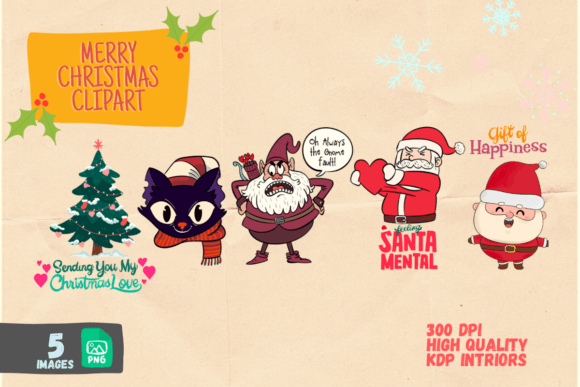
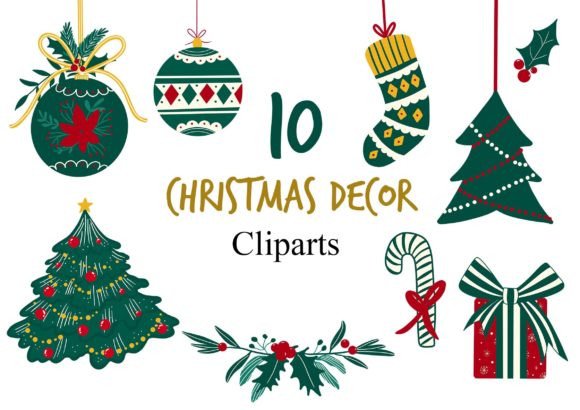
The immediate impression of Merry Christmas Tree Clipart is one of warmth and nostalgic charm. Unlike the sterile, overly geometric vectors often found in corporate stock libraries, these illustrations possess a hand-drawn quality that feels authentic. This is crucial for clients in the handmade business sector, where authenticity drives sales. The lines are organic, suggesting a human touch rather than algorithmic perfection. For a designer, this means the asset bridges the gap between amateur craft and professional graphic design asset standards. It creates a mood that is inviting and festive, yet restrained enough to remain elegant. This specific style fits naturally with brands that value tradition, comfort, and artisanal quality.
Versatility in Client Projects
When integrating Merry Christmas Tree Clipart into a broader design system, versatility is key. I tested these illustrations across several mediums to gauge their adaptability. In packaging design, the clipart served as an excellent focal point on minimalist kraft paper boxes. The contrast between the detailed illustration and the neutral background created a sophisticated look that elevated the perceived value of the product. For print-on-demand applications, such as tote bags and holiday mugs, the clarity of the lines held up well, ensuring the design remained crisp even after sublimation printing.
In the realm of digital marketing, these assets shine in social media graphics. I used them to create a series of Instagram posts and Pinterest pins for the client’s holiday campaign. The illustrations acted as decorative accents that framed promotional text without overwhelming it. For Canva template creators, this type of content is gold. It allows end-users to drag and drop high-quality elements into their own layouts, enhancing the usability of the template. Furthermore, for those running an Etsy product shop, these illustrations can be bundled into digital papers or standalone clipart packs, providing a passive income stream for creative entrepreneurs.
Application in Print and Craft
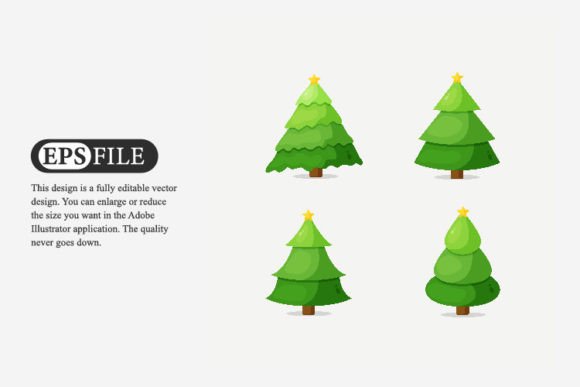
For crafters and Cricut project enthusiasts, the utility of these files depends heavily on format. If provided as an SVG design, the scalability is infinite, allowing for precise cutting of vinyl stickers or heat transfer materials for t-shirt design. I recommend testing the nodes in vector software to ensure smooth curves before sending to a cutter. For sublimation design, the PNG design versions with transparent backgrounds are essential. They allow for seamless layering over complex textures without unwanted white boxes, a common pitfall in amateur digital product creation.
Strategic Placement and Visual Hierarchy
Understanding where to place Merry Christmas Tree Clipart is just as important as choosing it. These illustrations work best in large layout areas where they can breathe. Using them as hero graphics on landing pages or as the central element on printable wall art allows the details to be appreciated. They also function effectively as decorative accents in editorial design, such as breaking up text in a holiday newsletter or adding flair to a blog header.
However, caution is required in crowded layouts. Because these illustrations have intricate details, they can become visual noise if placed near small body text or complex data charts. In web design, ensure that the clipart does not interfere with navigation elements or call-to-action buttons. Maintaining visual hierarchy is paramount; the tree should support the message, not distract from it. For logo design, these might be too detailed for small-scale favicon use, but they could work beautifully for a seasonal variant of a primary logo on packaging or signage.
Limitations and Careful Use Cases
While versatile, Merry Christmas Tree Clipart is not a one-size-fits-all solution. It should be used carefully in minimalist branding that relies on stark, sans-serif typography and ample white space. The organic nature of the illustration might clash with a hyper-modern, tech-focused aesthetic. Additionally, avoid using these assets on low-contrast backgrounds. If the illustration is dark green or black, placing it on a navy or dark gray background will destroy readability and visual impact. Always check contrast on both light and dark backgrounds during the mockup phase.
For professional corporate materials, such as annual reports or formal invitations, ensure the whimsical nature of the clipart aligns with the brand voice. If the client requires a very clean, sterile look, these hand-drawn elements may feel too casual. In such cases, consider simplifying the illustration or using it only as a subtle watermark rather than a primary visual element.
Designer Notes for Professional Execution
Before delivering any final files to a client, I follow a strict checklist when working with third-party assets like Merry Christmas Tree Clipart. First, test the illustration in black and white. This reveals whether the form holds up without color reliance, which is crucial for single-color printing methods like screen printing or embossing. Second, preview the asset at various sizes. Zoom out to thumbnail size to ensure it remains recognizable, and zoom in to 400% to check for pixelation or jagged edges in raster formats.
Typography pairing is another critical consideration. These illustrations pair exceptionally well with serif fonts that evoke tradition, or handwritten fonts that mimic the organic lines of the drawing. Avoid pairing them with overly industrial display fonts unless you are aiming for a deliberate juxtaposition. Finally, always confirm the commercial license terms. Whether you are creating a design bundle for resale or using it in a client’s marketing visuals, understanding usage rights prevents legal issues down the line. Ensure the license covers print-on-demand, digital sales, and client work if applicable.
In conclusion, Merry Christmas Tree Clipart is a robust addition to any designer’s toolkit for seasonal projects. It offers the right balance of charm and professionalism, making it suitable for everything from small business branding to large-scale commercial design campaigns. By respecting its visual weight and pairing it thoughtfully with typography and layout, you can create designs that resonate emotionally with audiences while maintaining high professional standards. For designers working in the creative marketplace, this asset represents a reliable choice for elevating holiday-themed projects.