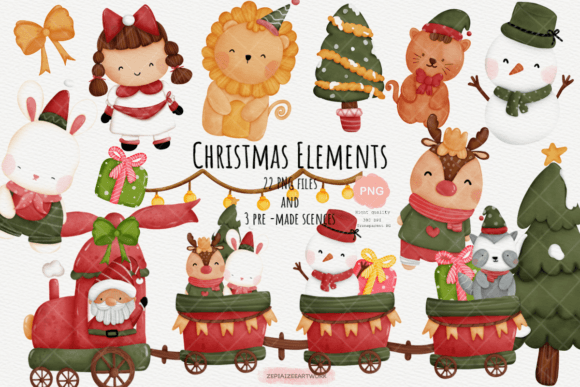
Reviewing the Christmas Animal and Santa Friends Train
As a designer who spends more time staring at stitch simulations than I do sleeping, I have learned that not every festive graphic translates well to thread. We see thousands of Illustrations flood the market every November, but only a handful possess the structural integrity required for a high-quality machine embroidery design. This week, I put the Christmas Animal and Santa Friends Train under the microscope. I am not looking at it as a flat image on a screen; I am evaluating it as a tangible asset for my next batch of holiday orders.
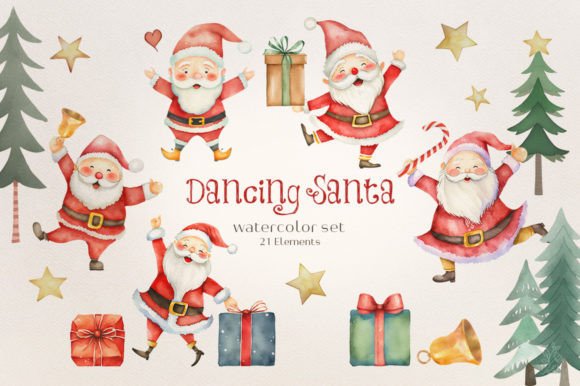
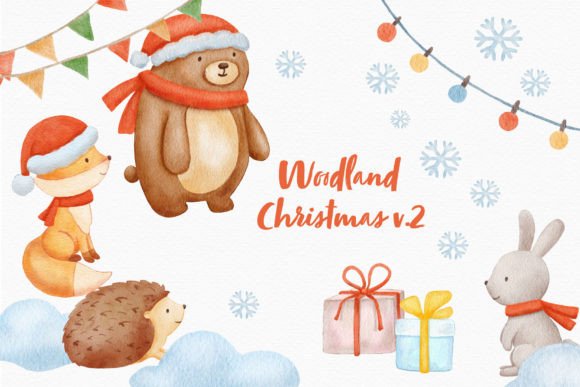
The first impression is one of whimsical nostalgia. The layout features a charming procession, likely involving woodland creatures or pets alongside a jovial Santa figure, chugging along in a festive locomotive. For an embroidery project, this linear, horizontal composition is immediately appealing. It suggests movement and narrative, which captures attention far better than static, isolated icons. However, charm alone does not sell products. Execution does. Let’s break down how this design performs when the needle hits the fabric.
Visual Appeal and Stitching Clarity
The success of any complex scene relies on the balance between detail and clarity. In the Christmas Animal and Santa Friends Train, the interplay of characters requires careful management of stitch density. If the design relies too heavily on dense fill stitch areas without adequate spacing, the final result can look like a stiff, cardboard patch rather than a soft, integrated part of the garment. From my review, the spacing appears thoughtful, allowing the texture of the underlying material to breathe slightly between the heavier elements of the train and the figures.
Color separation is another critical factor. A design like this lives or dies by its thread colors. You need distinct contrasts to separate Santa’s red suit from the animals’ fur tones and the metallic or bright accents of the train itself. When planning your embroidery file usage, consider testing it in black and white mockups first. If the shapes blur together in grayscale, they will likely merge into a muddy mess on dark fabrics. This design seems to rely on clear outlines, possibly utilizing running stitch or light satin borders to define edges, which is a smart choice for maintaining definition without adding excessive bulk.
Real-World Application: The Tote Bag Test
To truly understand the value of this design, I imagined it applied to a heavy canvas tote bag design. This is a staple product for any Etsy seller or craft business during the holidays. The horizontal nature of the train makes it ideal for the center panel of a tote. It creates a focal point that draws the eye across the width of the bag.
In this scenario, the hoop size becomes a primary constraint. You must ensure your machine can accommodate the full width of the train. If you are forced to split the design into two hoops, registration issues may arise, breaking the continuity of the tracks or the connection between Santa and his animal friends. Assuming you have a large enough hoop, the result on canvas is robust. The sturdy fabric supports the weight of the stitches, preventing puckering. This makes the Christmas Animal and Santa Friends Train a strong candidate for durable goods like aprons, pillow covers, and even structured embroidered patch projects.
Apparel Considerations and Fabric Texture
Moving from accessories to apparel, the dynamics change. Applying this design to a sweatshirt embroidery project requires a different approach. Fleece and cotton blends are softer and more prone to distortion. Here, the choice of stabilizer is non-negotiable. A cut-away stabilizer is likely necessary to support the multiple layers of stitching involved in a scene with multiple characters and a vehicle.
I would caution against using this on thin, stretchy fabrics like lightweight jersey t-shirts unless you are an experienced digitizer who can adjust the pull compensation. The weight of the train and figures could cause the fabric to pucker around the design, ruining the sleek look of a custom apparel piece. However, on a structured cap or a denim jacket, the design shines. The rigid surface of a cap front provides a perfect canvas for the detailed elements of the train, provided the curvature of the cap does not distort the horizontal lines of the tracks.
Navigating Technical Challenges
No design is without its pitfalls. When working with the Christmas Animal and Santa Friends Train, pay close attention to the smaller details. Tiny elements, such as the wheels of the train or the facial features of the animals, can easily get lost if the stitch density is too high or if the thread thickness is not appropriate. For these micro-details, a finer thread or a simplified digitizing approach might be needed.
Additionally, consider the fabric texture. On looped towels or fluffy blankets, small details can sink into the pile. If you plan to use this for baby embroidery items like blankets or onesies, ensure that the design elements are large enough to remain visible above the fabric nap. An applique design technique could be beneficial here, using fabric pieces for the larger shapes of the train and Santa, with embroidery used only for outlining and detailing. This reduces stitch count and bulk, making it softer and more comfortable for sensitive skin.
Commercial Value and Brand Consistency
For small shop product creators, consistency is key. The Christmas Animal and Santa Friends Train offers a cohesive theme that can be expanded into a collection. Imagine pairing this with matching single-character designs from the same series for a coordinated line of holiday embroidery gifts. This builds brand recognition and encourages multiple purchases.
From a buyer’s perspective, this design signals quality. It is not a generic clip-art paste job; it feels curated. This enhances the perceived value of your handmade product. Whether you are selling digital embroidery file downloads or finished goods, the professionalism of the design reflects on your brand. It suggests that you care about the intricacies of your craft, which builds customer trust.
Practical Designer Notes
Before you commit to production, follow these steps:
- Test on Scrap Fabric: Always run a test stitch-out on the exact material you plan to use. Check for thread breaks and tension issues.
- Check Thread Contrast: Ensure your chosen thread colors pop against the fabric. High contrast improves visibility and appeal.
- Verify Hoop Size: Confirm that your machine’s maximum hoop size can handle the full width of the train without splitting.
- Inspect Small Details: Zoom in on the digitized file. Are the tiny stitches too dense? Will they cause bunching?
- Review Licensing: If you are a commercial embroidery provider, confirm the license terms. Can you sell finished items? Are there restrictions on volume?
- Use Proper Stabilizer: Match the stabilizer to the fabric. Heavy fabrics need less support; light fabrics need more.
In conclusion, the Christmas Animal and Santa Friends Train is a versatile and engaging addition to your holiday design assets. It bridges the gap between playful illustration and practical embroidery application. With careful attention to fabric choice, stabilization, and thread selection, it can elevate your finished product from simple craft to professional-grade merchandise. It is a design that invites storytelling, making it perfect for those cherished personalized gift moments that define the season.