Reviewing the Christmas Chickadee Bird Design
As a designer who has spent countless hours digitizing and stitching out thousands of patterns, I have learned that not all machine embroidery design files are created equal. Some look stunning on a screen but turn into a tangled mess of thread breaks and puckering on fabric. Others are workhorses—reliable, crisp, and versatile. Today, I am taking a close, practical look at the Christmas Chickadee Bird, a charming piece from the Illustrations category, to see if it holds up under the needle for real-world projects.
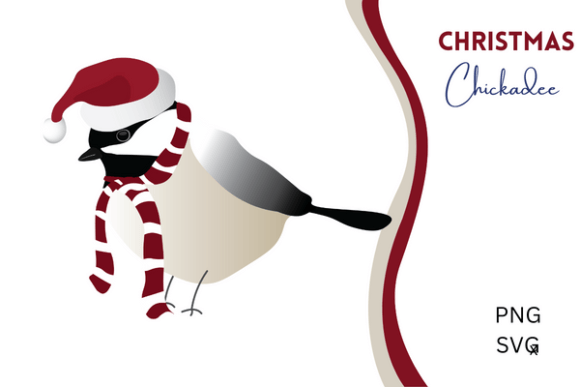
My first impression of the Christmas Chickadee Bird was one of quiet warmth. In an industry often saturated with overly complex, dense holiday motifs, this design feels breathable. The silhouette is clean, capturing the recognizable roundness of the chickadee without getting lost in unnecessary micro-details that might confuse a home embroidery machine. For those of us running small craft businesses or creating personalized gifts, this balance between detail and stitchability is crucial. It suggests a mood of cozy nostalgia, perfect for the winter season without feeling kitschy.
Real-World Application: The Holiday Tote Test
To truly evaluate an embroidery file, you have to imagine it on a product. I recently simulated a project for a local boutique client who wanted a line of reusable canvas tote bags for their holiday gift wrap service. The Christmas Chickadee Bird was my top contender for the center panel. Why? Because tote bags require designs that are bold enough to be seen from a distance but refined enough to suggest quality.
When visualizing this design on a natural cotton canvas, the contrast potential is high. A classic black head and bib against a white cheek, perhaps using a subtle metallic gold or deep forest green for the background accents, creates a sophisticated look. This is not just a cute bird; it is a branding asset. For an Etsy seller or small shop owner, this kind of versatility means you can market the same design across multiple products without it looking repetitive. It works as a standalone focal point, meaning you do not need to clutter the design with excessive text or borders.
Versatility Across Product Lines
Beyond totes, where does this design shine? I see strong potential in sweatshirt embroidery. Crewnecks and hoodies are staple items for winter sales. The chickadee’s compact shape fits beautifully on the left chest area, offering a subtle, professional accent that appeals to customers who prefer understated style over loud graphics. It also translates well to baby embroidery projects. Imagine this stitched onto a soft muslin swaddle or a knit cap. The rounded forms are gentle and appealing to infants, and provided the stitch density is managed correctly, it remains soft against sensitive skin.
For those interested in embroidered patch creation, this design is a strong candidate. Patches require clear outlines and defined color blocks to ensure durability during washing and wear. The Christmas Chickadee Bird likely relies on a mix of fill stitch for the body and satin stitch for the finer details like the eye or wing markings. This combination provides the structural integrity needed for a patch that will be ironed or sewn onto denim jackets, backpacks, or beanies.
Technical Considerations and Stitch Performance
Let us talk about the technical side. When reviewing any digital embroidery file, I always look for red flags in stitch density. Holiday designs often suffer from "over-digitizing," where too many layers of thread are stacked to create shading, leading to stiff, heavy results. Based on the visual profile of the Christmas Chickadee Bird, it appears to favor a lighter touch. This is critical for custom apparel made from thinner fabrics like jersey knits or linen tea towels.
However, caution is advised when stitching on textured fabrics. If you are using a fluffy towel or a thick wool coat, the smaller details of the bird’s face might get lost. In these cases, I recommend using a cutaway stabilizer to provide a firm foundation and ensuring your thread colors have high contrast. A dark thread on a dark fabric will vanish. Always test your tension settings on scrap fabric before committing to your final finished product.
Another area to watch is the hoop size. While the chickadee is not massive, ensure you have enough margin around the design for your specific hoop. If you are planning to add monogramming or text alongside the bird, check the spacing carefully. Crowding the design can lead to needle strikes or distorted shapes. For curved surfaces like caps, you may need to adjust the pull compensation settings in your software if you are editing the file, or choose a pre-digitized version specifically optimized for hats to prevent warping.
Enhancing Brand Value and Customer Trust
From a business perspective, the quality of your design assets directly impacts perceived value. A crisp, well-stitched Christmas Chickadee Bird signals professionalism. It tells the customer that you care about the details. This builds trust, which is essential for repeat business. Whether you are selling holiday embroidery items at a craft fair or listing them online, the clarity of the stitch work affects buyer engagement.
Using this design in your printable mockup previews can also boost sales. Because the shape is distinct and recognizable, it photographs well. You can create lifestyle images showing the bird on a mug wrap, a pillow cover, or an apron, helping customers visualize the item in their homes. This visual appeal drives conversion rates for small shop product listings.
Practical Designer Notes for Best Results
Before you load this design into your machine, here are my top recommendations for ensuring success:
- Test on Scrap Fabric: Never skip this step. Check for thread breaks and registration issues.
- Check Thread Contrast: Ensure your chosen thread colors stand out against your fabric background. High contrast improves visibility of the design’s features.
- Review Stitch Density: If the design feels too stiff, consider reducing the density slightly in your editing software, especially for garments.
- Confirm Hoop Size: Make sure your hoop accommodates the design with adequate margins for stability.
- Inspect Small Details: Zoom in on the eye and beak. Ensure they are not too tiny for your needle size, which can cause skipped stitches.
- Use Proper Stabilizer: Match your stabilizer to your fabric type. Cutaway for knits, tear-away for wovens.
- Verify Licensing: Always confirm the license terms for the Christmas Chickadee Bird before selling finished items or using it in commercial embroidery projects.
In conclusion, the Christmas Chickadee Bird is a thoughtful addition to any holiday design library. It balances aesthetic charm with technical practicality, making it suitable for a wide range of applications from tote bag design to personalized gift items. By paying attention to fabric choice, stabilizer selection, and stitch quality, you can leverage this design to create high-value products that resonate with customers. It is a reminder that in embroidery, sometimes the simplest, most well-executed ideas are the most powerful.