Reviewing Watercolor Christmas Gift Box Clipart for Stitching
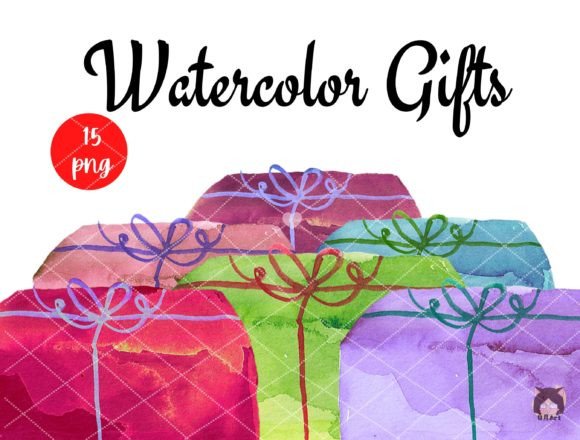
As a designer who has spent years translating digital art into thread, I approach every new asset with a mix of excitement and skepticism. We have all been there: you find a beautiful graphic online, imagine it perfectly stitched on a holiday tote, and then realize the nuances of watercolor do not always translate cleanly to a machine embroidery design. Today, I am taking a close look at the Watercolor Christmas Gift Box Clipart to determine if it holds up under the needle or if it is better left as a flat print.
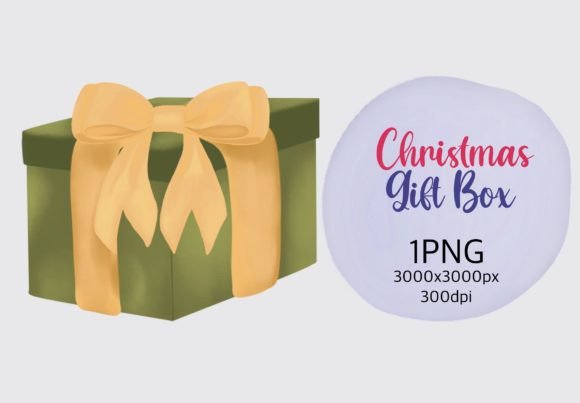
The first impression of this piece is undeniably festive but soft. Unlike the rigid, vector-sharp lines of traditional clip art, this illustration relies on blended edges and organic shapes. For an embroidery project, this presents both a challenge and an opportunity. The mood is warm and nostalgic, evoking the feeling of unwrapping presents by a fire. However, from a technical standpoint, soft gradients are the enemy of clean stitching unless handled with care. When I visualize this on fabric, I am immediately thinking about how to preserve that delicate watercolor aesthetic without turning the design into a dense, cardboard-like patch of thread.
Real-World Application: The Holiday Tote Test
To give this review practical weight, let us walk through a real-life scenario. Imagine you are preparing a custom order for a boutique client who wants a set of reusable shopping bags for their December pop-up shop. They have chosen the Watercolor Christmas Gift Box Clipart as the central motif. This is a classic use case for Illustrations in the craft space, but the execution matters immensely.
If I were stitching this onto a canvas tote bag design, my primary concern would be the stitch density. Watercolor effects often require many color changes and subtle shifts in tone. If I attempt to replicate every gradient using standard fill stitch techniques, the fabric may pucker, and the bag will lose its drape. Instead, I would likely treat this as an applique design or use a combination of satin stitch borders with lighter fill areas. By using a textured thread or varying the angle of the stitches, I can mimic the brushstroke effect of the original clipart while keeping the physical weight of the embroidery manageable.
Customer reaction to such a product is usually positive because it feels handmade and unique. The imperfections inherent in translating a watercolor style to thread add to the charm of the handmade product. It signals to the buyer that this is not mass-produced factory goods, but a thoughtful personalized gift or boutique item. However, if the stitching is too dense or the colors muddy, that perceived value drops instantly. Clarity is key.
Navigating Fabric and Hoop Constraints
Not every surface is suitable for this type of imagery. While the Watercolor Christmas Gift Box Clipart looks stunning in a digital preview, its performance varies drastically depending on the substrate. For sweatshirt embroidery, the plush texture of fleece can actually help soften the look of the stitches, making the watercolor effect appear more natural. Here, the pile of the fabric blends with the thread, creating a cohesive, cozy aesthetic.
Conversely, placing this design on thin, stretchy fabric like a lightweight t-shirt or a silk blouse requires extreme caution. Without proper stabilization, the pull of the threads will distort the shape of the gift box, turning a charming illustration into a warped mess. I always recommend using a cut-away stabilizer for knit fabrics to ensure the design remains crisp after washing. Furthermore, on dark fabrics, the lighter tones of the watercolor style may not pop unless you use an underlay of white thread or choose a high-contrast thread palette. Always test your thread colors against the fabric background before committing to the final piece.
Curved surfaces, such as caps or hats, present another hurdle. The rigid structure of a gift box illustration can look awkward if it wraps around the curve of a crown. In these cases, I advise scaling down the design significantly or isolating specific elements, such as just the bow or a single box, rather than stitching the entire cluster. This maintains the visual identity of the Watercolor Christmas Gift Box Clipart without forcing the geometry to fight the shape of the garment.
Commercial Viability and Brand Consistency
For Etsy sellers and small business owners, the choice of design assets directly impacts brand consistency. If your shop specializes in rustic, handcrafted goods, this watercolor style fits seamlessly. It enhances the giftability of items like kitchen towels, aprons, or pillow covers. However, if your brand leans toward modern minimalism or sharp geometric aesthetics, this softer, more traditional look might clash. It is essential to consider how this embroidery file aligns with your existing product line.
From a commercial perspective, using high-quality design assets like this can elevate your small shop product offerings. It allows for the creation of cohesive holiday collections. For instance, you could use the same motif on a baby onesie, a matching burp cloth, and a nursery wall hanging. This cross-product consistency builds trust with customers and encourages larger basket sizes. Just remember to verify the licensing terms. Ensure that the digital embroidery file or the source clipart allows for commercial embroidery use if you plan to sell the finished items.
Practical Designer Notes for Best Results
Before you load this design into your machine, take a moment to review these practical steps. They are the difference between a professional finish and a hobbyist mistake.
- Test on Scrap Fabric: Never stitch a complex watercolor-style design directly on your final garment. Use a scrap piece of the same fabric to check tension and density.
- Check Contrast: View the design in black and white. If the details disappear in grayscale, they will likely get lost in the stitching. You may need to simplify the design or increase contrast.
- Review Stitch Density: High-density fills can make fabric stiff. Consider using running stitch details for outlines instead of heavy satin borders to keep the textile flexible.
- Confirm Hoop Size: Ensure the design fits comfortably within your hoop with adequate margin for stabilization. Crowding the edges leads to puckering.
- Inspect Small Details: Tiny elements in watercolor art often do not translate well to thread. Be prepared to remove or enlarge microscopic details that cannot be stitched cleanly.
- Verify Licensing: Always confirm whether the source Illustrations permit commercial use for physical goods and digital previews.
In conclusion, the Watercolor Christmas Gift Box Clipart is a versatile and charming asset for the right project. It shines brightest on stable, medium-weight fabrics where its soft aesthetic can be appreciated without the technical pitfalls of dense stitching. For the experienced designer, it offers a chance to play with texture and thread interplay. For the beginner, it serves as a reminder that not all pretty pictures are ready-to-stitch. With careful planning, proper stabilization, and realistic expectations, this design can become a standout feature in your holiday collection, adding a touch of artistic warmth to your finished product.