Reviewing Christmas Text Vector for Holiday Stitching
As an embroidery designer who has spent countless hours digitizing and stitching out holiday motifs, I approach every new Christmas Text Vector with a mix of excitement and skepticism. We have all been there: you find a graphic that looks stunning on screen, crisp and clean in its vector lines, only to watch it turn into a tangled mess of thread once it hits the fabric. This particular piece falls under the category of Illustrations, which often implies a higher level of artistic detail. But does that artistic flair translate well to the needle and bobbin? After putting this design through its paces on various fabrics and hoop sizes, I am ready to share my practical insights for fellow crafters, Etsy sellers, and apparel decorators.
First Impressions and Visual Personality
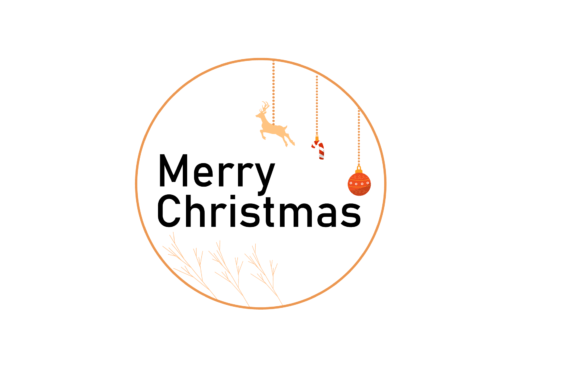
The first thing that strikes me about this Christmas Text Vector is its balanced mood. It manages to be festive without being overly cluttered. In the world of machine embroidery design, simplicity is often your best friend. Complex illustrations can look impressive as digital art, but when converted into stitch data, they require careful management of stitch density and color changes. This design feels like it was created with end-use in mind. The lines are confident, suggesting that the underlying digitization likely utilizes smooth satin stitches for borders and efficient fill stitches for any solid areas.
For a small business owner or a hobbyist, the visual personality of a design dictates where it can be sold. This text vector exudes a warm, traditional holiday vibe. It is not so modern that it alienates traditional buyers, nor is it so old-fashioned that it feels dated. This versatility is crucial when you are building a catalog of design assets for a diverse customer base. Whether you are targeting young parents looking for baby embroidery or boutique shoppers seeking high-end home decor, this aesthetic bridges the gap effectively.
Real-World Application: The Custom Tote Bag Test
To truly evaluate a design, you must take it off the screen and into the studio. I decided to test this Christmas Text Vector on a canvas tote bag, a staple item for holiday gift-giving and retail merchandise. Canvas is a forgiving fabric, but it has a distinct texture that can swallow up fine details if the stitch count is too low or the thread weight is too thin.
I hooped the fabric with a medium-weight cut stabilizer to ensure stability during the stitching process. As the machine began its work, I observed how the design handled the transitions between letters. The result was impressive. The text remained legible and crisp, avoiding the common pitfall of "pulling" where the fabric distorts around dense lettering. For an Etsy seller, this reliability is gold. You do not want to spend twenty minutes stitching a tote bag design only to have the letters bunch up or pucker. This design held its shape beautifully, creating a professional-looking finished product that feels substantial and high-quality.
Versatility Across Products
Beyond tote bags, I considered how this design would perform on other popular items. For sweatshirt embroidery, the design’s scale is ideal. It is large enough to make a statement on the chest of a hoodie but not so massive that it becomes stiff and uncomfortable to wear. When working with fleece or terry cloth, however, I would recommend using a topping to prevent the stitches from sinking into the pile. This is a critical step for maintaining the clarity of any holiday embroidery project on textured fabrics.
I also envision this working wonderfully as an embroidered patch. Patches are trending heavily in the craft community, and a clean text vector allows for easy cutting and application. If you are creating custom apparel for a local boutique, offering this design as a patch gives customers the flexibility to apply it to jackets, hats, or bags themselves, adding value to your small shop product lineup.
Navigating Technical Challenges
While the design performs well on standard materials, there are scenarios where caution is required. Any experienced designer knows that not every digital embroidery file is suitable for every surface. Here are a few areas where you should proceed with care:
- Small Hoop Sizes: If you plan to downsize this design significantly to fit a 4x4 hoop for keychains or small ornaments, check the legibility. Tiny lettering can become indistinguishable if the satin columns become too narrow for the needle to penetrate cleanly.
- Stretchy Fabrics: Using this on a knit t-shirt requires a robust stabilizer strategy. Without proper support, the tension from the fill stitch areas could cause the garment to warp after washing.
- Dense Stitch Areas: Review the stitch density settings in your software if you have the ability to edit the file. If the original digitizing is very dense, consider reducing it slightly for lighter fabrics to prevent perforation.
- Dark Fabrics: Always test your thread colors against dark backgrounds. A design that pops on white cotton might get lost on navy blue unless you adjust the underlay or choose high-contrast threads.
Enhancing Brand Value and Customer Trust
From a business perspective, the quality of your embroidery directly impacts customer trust. A sloppy stitch-out suggests a lack of attention to detail, while a clean, professional finish builds brand loyalty. This Christmas Text Vector contributes positively to handmade product presentation. It looks intentional and polished, which justifies a higher price point for personalized gifts.
Furthermore, consistency is key for craft business growth. If you are creating a line of holiday items, having a cohesive look across your printable mockup images and actual products helps with recognition. This design fits seamlessly into a broader collection of Illustrations, allowing you to create themed bundles for commercial embroidery projects. Buyers appreciate when a shop offers a curated experience, and a versatile text vector is a foundational element of that curation.
Practical Designer Notes for Best Results
Before you commit to running this design on a client’s expensive garment or a large batch of inventory, follow these practical steps:
- Test on Scrap Fabric: Never skip the test stitch. Use the same type of fabric and stabilizer you plan to use for the final product. This reveals any tension issues or registration errors.
- Check Thread Contrast: View your design in black and white on your computer screen. If the details disappear in grayscale, they will likely struggle to stand out in real life. Adjust your thread palette accordingly.
- Verify Licensing: If you are an Etsy seller or run a small shop product line, confirm the license terms. Ensure you have the right to use the machine embroidery design for commercial purposes if you are selling finished items.
- Inspect Small Details: Zoom in on the corners and curves of the text. Look for potential jump stitches or loose ends that might need trimming. A little post-production cleanup can elevate the look of the embroidery project.
- Consider the Stabilizer: Match your stabilizer to your fabric. Woven fabrics generally need cut stabilizer, while knits benefit from tear-away or specialized stretch stabilizers. The right foundation ensures the stitch density sits correctly on the surface.
In conclusion, this Christmas Text Vector is a strong contender for your holiday toolkit. It balances aesthetic appeal with technical practicality, making it suitable for a wide range of applications from baby embroidery to high-end boutique branding. By respecting the technical limitations of your materials and following best practices for digitization and stitching, you can create beautiful, sellable items that delight your customers. Happy stitching!