Reviewing Orange Christmas Bow PNG Clipart for Stitchers
As a designer who has spent countless hours digitizing and testing files, I approach every new asset with a mix of curiosity and skepticism. We all know that what looks crisp on a screen does not always translate cleanly to fabric. Recently, I evaluated the Orange Christmas Bow PNG Clipart to determine its viability for real-world embroidery projects. This is not just about aesthetics; it is about functionality, stitchability, and commercial potential for small business owners and crafters.
First Impressions: Mood and Visual Personality
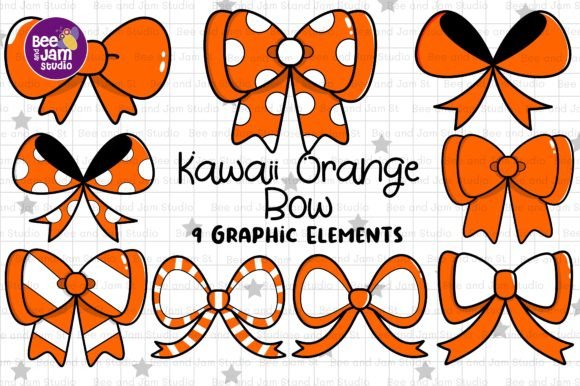
The immediate impact of this design is warmth. The choice of orange shifts the traditional holiday palette away from standard reds and greens, offering a modern, autumnal, or rustic Thanksgiving-to-Christmas bridge. For an embroidery designer, the shape is the first thing I analyze. Bows are deceptively complex. They require a balance of volume and flatness to look realistic when stitched. This illustration captures a soft, tied aesthetic rather than a rigid, geometric one. The loops appear generous, suggesting that if digitized correctly, they could utilize smooth satin stitches or dense fill stitches to create a plush, tactile feel.
The visual personality is inviting and cozy. It does not scream "loud holiday decor" but rather whispers "handmade comfort." This makes it an excellent candidate for home goods and personalized gifts where subtlety is valued over flashiness. When I look at the layout, I see a centralized focal point that is symmetrical enough to be pleasing but organic enough to avoid looking like a generic clip-art stamp. For those creating design assets for boutique branding, this level of sophistication is crucial.
Real-World Application: From Screen to Stitch
To truly test the value of the Orange Christmas Bow PNG Clipart, I imagined several practical scenarios. Let’s consider a custom embroidered tote bag. Tote bags are typically made of canvas or heavy cotton, which have a visible weave. A bow design needs sufficient density to cover the fabric texture without sinking in. If this image were converted into a machine embroidery design, I would recommend using a substantial stabilizer to prevent puckering, especially given the likely width of the bow’s tails.
Another strong use case is sweatshirt embroidery. Hoodies and crewnecks are staple items for Etsy sellers during the holiday season. The orange hue pairs beautifully with neutral tones like cream, oatmeal, or charcoal gray. On a fleece or French terry fabric, the design would need to be scaled appropriately. If the bow is too small, the details of the knot might get lost in the nap of the fabric. If it is too large, it could become stiff and uncomfortable against the chest. I envision this working best as a left-chest logo size or a larger central graphic on a baby onesie, where the softness of the design complements the delicate nature of the garment.
For those interested in creating an embroidered patch, this bow is an ideal subject. Patches allow for higher stitch density and the use of merrowed edges, which would frame the bow nicely. The contrast between the orange thread and a potential border color could make the finished product pop. This is particularly relevant for craft business owners looking to create small shop products that are easy to ship and highly giftable.
Navigating Technical Challenges
While the aesthetic is strong, we must address where caution is needed. Embroidery is a physical medium, and certain fabrics present challenges. If you are planning to use this design on stretchy fabric, such as a jersey knit t-shirt, you must be vigilant about hoop size and stabilizer choice. A bow design often has wide areas that can pull the fabric if not properly supported. I always advise testing the design on scrap fabric first. This simple step saves hours of frustration and ruined garments.
Dark fabrics pose another consideration. If you are stitching this orange bow on navy or black material, you need to ensure your thread colors have enough vibrancy. Sometimes, orange can appear muddy on dark backgrounds if the thread quality is low or if the underlay stitches are not optimized. I recommend checking thread color contrast by creating a digital mockup before committing to the machine. Additionally, if the original PNG includes fine details or tiny lettering within the bow, these may not survive the stitching process. Running stitch outlines might break up, and small satin stitches could bunch up. It is essential to inspect small details and simplify them if necessary during the digitizing phase.
Curved surfaces, like caps, require special attention. Placing a wide bow on the front panel of a baseball cap can be tricky due to the curvature. The design might distort if it is too wide for the available hoop space. Always confirm hoop size compatibility with your specific machine before purchasing or using any digital embroidery file.
Enhancing Brand Value and Customer Trust
Why does the choice of design matter for your bottom line? Because it affects perceived value. A well-executed holiday embroidery piece signals professionalism. When customers see a clean, well-stitched bow on a kitchen towel or pillow cover, they associate that quality with your brand. This builds trust and encourages repeat business. The Orange Christmas Bow PNG Clipart offers a unique alternative to saturated market trends. By using a less common color palette, you differentiate your handmade product from the sea of red-and-green items.
This differentiation is key for buyer engagement. In a crowded marketplace like Etsy, standing out visually is half the battle. This design fits seamlessly into a narrative of rustic charm or modern farmhouse style. It appeals to buyers looking for something slightly different but still festive. For commercial embroidery projects, this versatility allows you to market the same design across multiple categories: nursery decor, wedding gifts (for autumn weddings), and seasonal home accents.
Practical Notes for the Embroidery Designer
Before you load this into your software, keep these practical tips in mind. First, remember that a PNG is a raster image. To use it for embroidery, it must be digitized into a proper embroidery file format compatible with your machine. Do not assume automatic digitizing will yield perfect results. Manual adjustment of stitch density and direction is often required to capture the flow of the ribbon.
- Test on Scrap Fabric: Always run a test stitch-out to check for tension issues and registration.
- Check Thread Contrast: Ensure the orange stands out against your chosen fabric background.
- Review Stitch Density: Adjust density based on fabric weight; lighter fabrics need less density to prevent stiffness.
- Confirm Hoop Size: Make sure the design fits within your machine’s maximum hoop area.
- Inspect Small Details: Simplify any intricate parts that may not stitch out cleanly.
- Use Proper Stabilizer: Match the stabilizer to the fabric type (cut-away for knits, tear-away for wovens).
- Verify Licensing: Confirm whether the license allows for commercial use if you plan to sell finished items.
Finally, consider the end user. If you are creating a personalized gift, think about how the design interacts with names or dates. A bow can serve as a beautiful frame for text, but spacing is critical. Leave enough room for lettering so the design does not look cluttered. By approaching the Orange Christmas Bow PNG Clipart with this level of strategic thought, you transform a simple illustration into a high-value component of your creative toolkit. Whether you are an experienced decorator or a hobbyist just starting out, paying attention to these details ensures that your finished product is not just stitched, but crafted with intention and care.